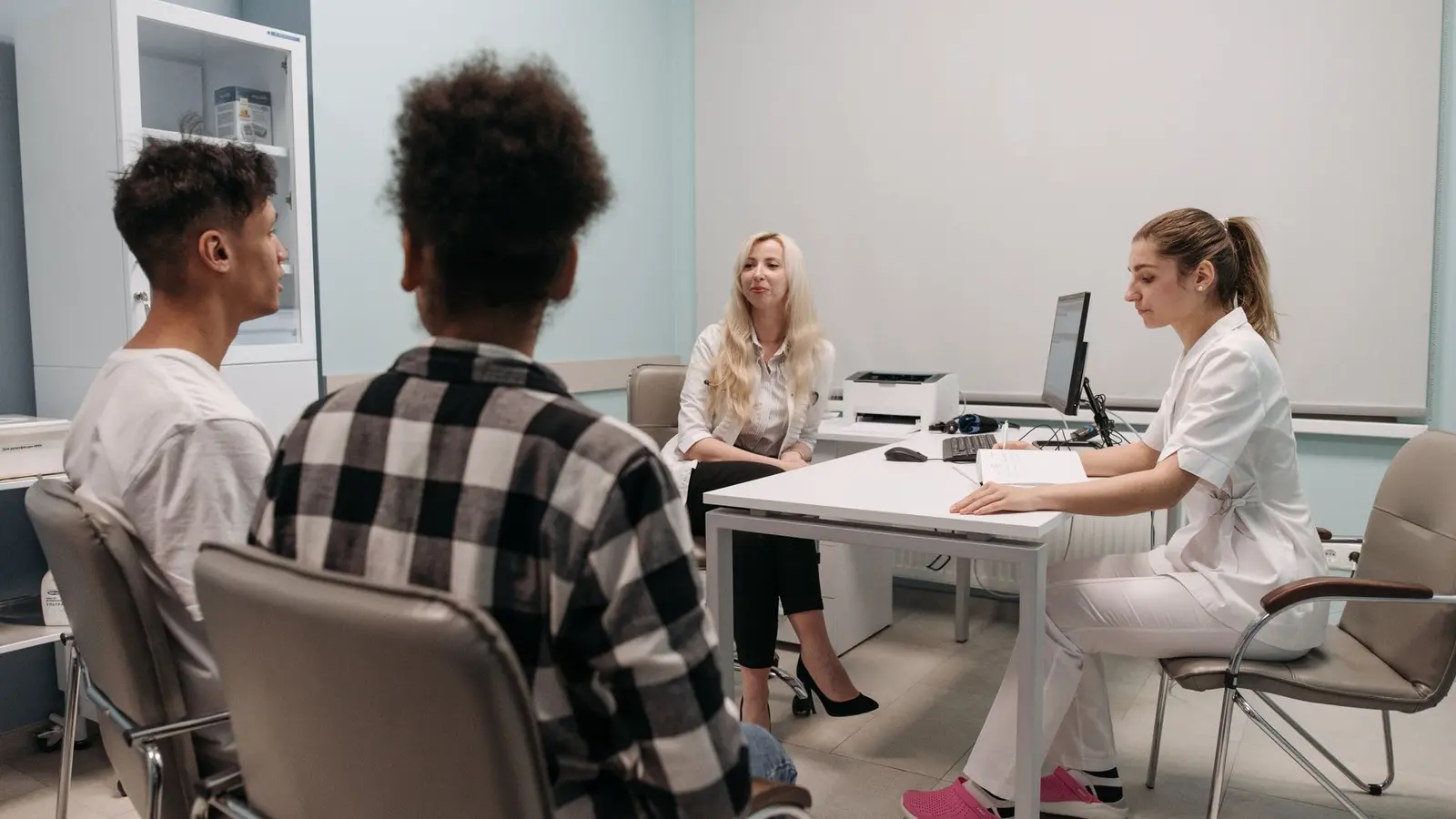
临床沟通不仅仅是语法正确。英国患者和OET口语考试都希望你能建立信任关系、理解患者的想法、有条理地引导对话、清楚地解释并与患者共同决策。本免费课介绍OET口语考试的形式,以及本课程每节课都会练习的核心表达。
学完本课,您将能够
- ✓说明OET口语考试的形式
- ✓说出五项临床沟通评分标准
- ✓专业地开场并自我介绍
- ✓用引导语和总结来组织对话
OET口语考试(8)
临床沟通评分标准(6)
常用沟通技巧(8)
词汇
OET口语考试(8)
临床沟通评分标准(6)
常用沟通技巧(8)
对话
- 1Opening护士
Hello, my name is Li Na and I’m one of the nurses on the ward today.
您好,我叫李娜,是今天病房的护士之一。
患者Hello, nice to meet you.
你好,很高兴认识你。
- 2护士
Could you tell me your full name and date of birth, please?
请告诉我您的全名和出生日期。
患者Margaret Hughes, the fourth of May, 1952.
玛格丽特·休斯,1952年5月4日。
- 3护士
What would you like me to call you?
您希望我怎么称呼您?
患者Maggie is fine.
叫我玛姬就好。
- 4护士
Thank you, Maggie. I’ve come to talk to you about going home tomorrow. Is now a good time?
谢谢您,玛姬。我来和您谈谈明天出院的事,现在方便吗?
患者Yes, that’s fine.
可以,没问题。
- 5护士
Before I start, how are you feeling today?
在开始之前,您今天感觉怎么样?
患者A bit nervous, to be honest.
说实话,有点紧张。
- 6Exploring concerns护士
That’s completely understandable. What’s worrying you most?
这完全可以理解。您最担心的是什么?
患者I live on my own and I’m worried about the stairs.
我一个人住,担心上下楼梯。
- 7护士
I see. What do you think might help you at home?
我明白了。您觉得在家里什么能帮到您?
患者Maybe someone to check on me for the first few days.
也许头几天有人来看看我。
- 8护士
That’s a very good idea. Is there anything you were hoping we could arrange?
这是个好主意。您希望我们帮您安排什么吗?
患者Could a carer visit in the mornings?
早上能有护工来吗?
- 9Signposting护士
I’d like to talk about three things: your medication, your wound and support at home. Is that all right?
我想谈三件事:您的药物、伤口以及居家支持。可以吗?
患者Yes, go ahead.
好的,请说。
- 10护士
First, can you tell me what you already know about your new tablets?
首先,您能告诉我您对新药已经了解多少吗?
患者Only that one is for my blood pressure.
只知道其中一种是降压的。
- 11Chunking护士
OK. The white tablet is for your blood pressure, and you take it once a day in the morning.
好的。白色药片是降压药,每天早上吃一次。
患者Once in the morning. Got it.
早上一次,明白了。
- 12Teach-back护士
Just to make sure I’ve explained it clearly, could you tell me how you’ll take it?
为了确认我解释清楚了,您能说一下您会怎么服用吗?
患者One white tablet every morning.
每天早上一片白色药片。
- 13护士
Perfect. Now, moving on to your wound.
非常好。接下来说说您的伤口。
患者Will a nurse need to change the dressing?
需要护士来换药吗?
- 14护士
Yes, the district nurse will visit every two days.
是的,社区护士每两天来一次。
患者That’s a relief.
那我就放心了。
- 15Summarising护士
So, to summarise: one blood pressure tablet each morning, a nurse every two days and a carer in the mornings. Have I got that right?
总结一下:每天早上一片降压药,护士每两天来一次,早上有护工。我说得对吗?
患者Yes, that’s everything.
对,就是这些。
- 16Safety-netting护士
If your wound becomes red, hot or starts to leak, please call your GP or 111 straight away.
如果伤口发红、发热或开始渗液,请立即联系您的全科医生或拨打111。
患者Red, hot or leaking. I’ll remember.
发红、发热或渗液,我会记住的。
- 17护士
Do you have any questions for me?
您还有什么问题要问我吗?
患者No, I think you’ve covered everything.
没有了,你都讲到了。
- 18护士
I’ll write it all down for you on a leaflet as well.
我也会把这些写在一张单子上给您。
患者Thank you, that would help.
谢谢,那很有帮助。
- 19Closing护士
You’re welcome. You’ve done really well this week.
不客气,您这周恢复得很好。
患者Thank you for being so patient with me.
谢谢你对我这么有耐心。
- 20护士
It’s a pleasure. I’ll come back later to check on you.
这是我应该做的。我晚点再来看您。
患者See you later.
待会儿见。
常用句型
Hello, my name is… and I’m one of the nurses looking after you today.
您好,我叫……,是今天负责照顾您的护士之一。
What would you like me to call you?
您希望我怎么称呼您?
Is now a good time to talk?
现在方便谈谈吗?
What’s worrying you most?
您最担心的是什么?
I’d like to talk about three things…
我想谈三件事……
Can you tell me what you already know about…?
您能告诉我您对……已经了解多少吗?
Just to make sure I’ve explained clearly, could you tell me…?
为了确认我解释清楚了,您能告诉我……吗?
So, just to summarise…
总结一下……
If things get worse, please…
如果情况变糟,请……
Do you have any questions for me?
您还有什么问题吗?
技巧与文化
角色卡就是你的提纲
利用3分钟准备时间,给角色卡上的任务编号,并为每项任务写下两三个关键表达。对话时要完成每项任务,但要跟随患者:如果患者提出担忧,先共情回应再继续。得分取决于你的沟通方式,而不是你提供了多少医学细节。
是合作,而非命令
在许多中国医院,护士告诉患者该做什么,患者照做。英国医疗重视共同决策:询问患者的想法、提供选择并支持他们做决定。在英语中说“You must…”可能显得生硬,可以改用“I’d recommend…”“It would be a good idea to…”或“How would you feel about…?”。
测验(答案在末尾)
1. How long is each OET Speaking role-play?
A) 3 minutes B) 5 minutes C) 10 minutes D) 15 minutes
2. Which is an open question?
A) Are you in pain? B) Did you sleep well? C) How have you been feeling since the operation? D) Is it on the left?
3. “Now I’d like to talk about your diet” is an example of…
A) summarising B) signposting C) safety-netting D) jargon
4. ICE stands for…
A) Ideas, concerns and expectations B) Information, care and education C) Introduce, check, explain D) Intensive care evaluation
5. Which phrase checks understanding best?
A) Do you understand? B) OK? C) Could you tell me how you’ll take the tablets? D) That’s easy, isn’t it?
6. “If the wound becomes red or hot, call 111” is…
A) safety-netting B) chunking C) relationship building D) information gathering
7. Which sounds most natural to a UK patient?
A) You must stop smoking. B) Stop smoking now. C) I’d really recommend thinking about stopping smoking. D) Smoking is forbidden.
8. Who marks your OET Speaking performance?
A) The interlocutor during the test B) Trained assessors listening to the recording C) Your employer D) The NMC
- Answers: 1B · 2C · 3B · 4A · 5C · 6A · 7C · 8B
© UKCNA — UK Chinese Nurses Association · ukchinesenurses.org · For the purchaser's personal study only.